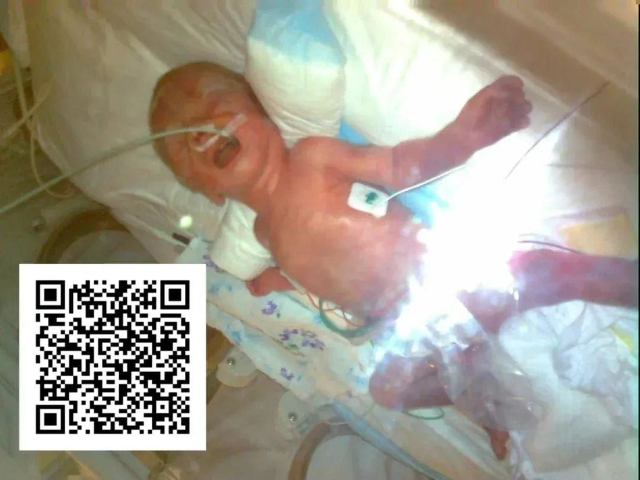
VOLODYA SAZONOV PASSED AWAY WITHOUT EVER SEEING HIS FATHER. WHO GAVE THE TURKMEN AUTHORITIES THE RIGHT TO TEAR FAMILIES APART? 15 November 2026 Human Rights Platform of the DAYANÇ Civil Movement — Turkmenistan There are tragedies for which words are simply not enough. There is grief that cannot be measured. And there is the cruelty of a state system that, even in the face of a child's death, denies a family the right to be together. A few days ago, little Vladimir Sazonov — affectionately known as Volodya — passed away. Born prematurely, he had spent more than a year under medical supervision, receiving prolonged treatment and specialised neonatal care, including care in an incubator. Throughout this time, his mother, Anna Sazonova, fought for her baby's health and life. Her husband and the child's father, Sergey Sazonov, should have been by her side. But he was not. Not because he had abandoned his son. Not because he had turned his back on his family. And not because he had committed a crime. But because the authorities of Turkmenistan prevented him from leaving the country and reuniting with his family. Sergey never had the opportunity to see his little Volodya. He could not hold him in his arms, be there during the most difficult days, or support his wife. Now, he has also been deprived of the opportunity to say his final goodbye to his own child. Anna has been left to face an unbearable loss without her husband's presence, even though he is alive and desperately wants to be beside her. And we ask: who gave the authorities of Turkmenistan the right to control people's lives and destinies? Who authorised state officials to decide which father may see his child and which father may not? Which mother deserves the support of her husband, and which must endure the death of her baby alone? Who may say farewell to their child, and who is denied even that fundamental human dignity? Have fatherhood, motherhood, family life and human dignity become privileges granted at the discretion of the authorities? In Turkmenistan, that appears to be precisely how the system operates. The political system built around the Berdimuhamedow family has, for decades, placed arbitrary state power above human dignity. Freedom of movement has become an instrument of control, while the country's borders have been turned into the walls of a vast open-air prison. People are kept inside the country not only through physical restrictions, but also through fear, administrative prohibitions and the near-total absence of effective remedies. Sergey Sazonov's case is not merely another example of a violation of freedom of movement. It is the story of a father who was prevented by his own government from being with his gravely ill child. This is not only a matter concerning Article 12 of the International Covenant on Civil and Political Rights, which guarantees the right to leave any country, including one's own. It is also a matter of the right to family life, the protection of children, human dignity and the inhumanity of a system that considers itself entitled to interfere even in the most devastating moments of people's lives. What makes this situation particularly cynical is that the authorities of Turkmenistan simultaneously seek to portray the country as a defender of international law while promoting initiatives related to the proposed designation of 2028 as the International Year of International Law. What international law do you intend to celebrate when you cannot even respect a father's right to see his own child? How can you speak from international platforms about legality, justice and humanity while preventing your own citizens from leaving the country, separating spouses and children, and denying families the opportunity to be together during the final moments of a loved one's life? International law is not a ceremonial slogan, a prestigious conference or another diplomatic performance. It represents binding obligations towards real human beings. Towards little Volodya, who needed the love and presence of both parents. Towards Anna, who should have been able to share this devastating ordeal with her husband. Towards Sergey, who should have been beside his son and who, at the very least, deserves the opportunity to say goodbye with dignity. We categorically oppose any attempt to use the proposed International Year of International Law as an instrument of political self-justification by the authorities of Turkmenistan. We will continue to call upon international organisations and governments to ensure that international law is not transformed into a propaganda tool by a government responsible for systematic violations of the rights of its own citizens. We demand the immediate lifting of the restrictions preventing Sergey Sazonov from leaving Turkmenistan, the restoration of his ability to reunite with his family, and an independent examination of the circumstances in which his freedom of movement was restricted. No national border should outweigh the fundamental importance of allowing parents to be with their children. No government official should have the power to determine whether a father may say a final farewell to his son. Today, the Human Rights Platform of the DAYANÇ Civil Movement — Turkmenistan extends its deepest and most sincere condolences to Anna and Sergey Sazonov, their relatives and loved ones. Dear Anna and Sergey, We mourn alongside you. We know that no words can bring little Volodya back or take away the pain of this irreparable loss. We are profoundly saddened that Anna had to endure the final days of her son's life without her husband's support. It is heartbreaking to know that Sergey never had the chance to hold his little boy or say goodbye to him. May little Vladimir Sazonov rest in peace. May his short life remain not only in the hearts of his loving parents, but also in the memory of everyone who continues to defend the right of families to remain together. And to those who currently exercise power over the lives of citizens of Turkmenistan, we say this: You may close a border to a person. You may prohibit them from leaving the country. You may ignore appeals and international obligations for years. But you have no moral or legal authority to arbitrarily deprive parents of the opportunity to be with their children. And no ceremonial declarations about international law can justify such cruelty. Nothing can bring Volodya back. But we have a responsibility to do everything within our power to ensure that no other child is separated from a parent by an arbitrary decision of the authorities, and that no other family is forced to endure such a tragedy.
As a foundation, every individual's fundamental
protect and develop their rights
we are working for.