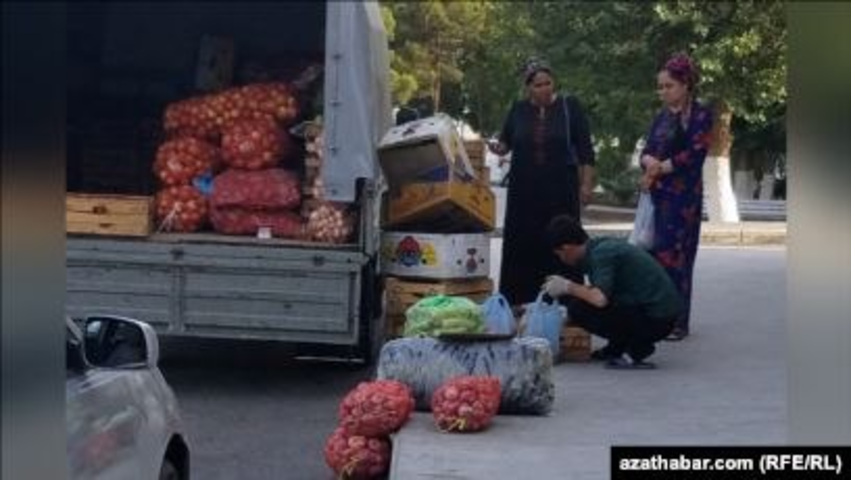
Vegetable Prices Rise in Balkan Province as Residents Struggle to Prepare for Winter and Farmers Face Growing Challenges Source: Azatlyk Radiosy (RFE/RL) Publication date: July 27, 2026 Photo source: Azatlyk Radiosy (RFE/RL) https://www.azathabar.com/a/balkanda-gok-onumler-gymmatlayar-yerli-dayhanlar-onum-yetisdirmekde-kyncylyk-cekyar/33813802.html Despite the peak harvest season, residents of Turkmenistan's Balkan Province report a sharp increase in the prices of vegetables and fruit. According to local sources, produce remains expensive due to supply chain difficulties, transportation costs, and the challenges faced by local farmers. During the summer months, many households traditionally preserve vegetables for the winter. This year, however, many families say they have been forced to abandon those plans. Against the backdrop of unemployment, declining incomes, and the rising cost of living, purchasing enough vegetables for winter food preservation has become unaffordable for many. According to local sources, market prices in Balkan Province start at 7 manats per kilogram for tomatoes, 10 manats for cucumbers, while sweet peppers, eggplants, and zucchini sell for around 15 manats per kilogram. At the same time, the country's average official monthly salary is estimated at approximately 2,000 manats, significantly limiting the purchasing power of many households. Residents say that preparing even a modest supply of homemade preserves for the winter now requires several thousand manats, making this long-standing tradition financially out of reach for many families. One of the main reasons for the high prices is the region's dependence on vegetable supplies from other provinces, particularly Dashoguz and Lebap. Transportation costs further increase the final price paid by consumers. Meanwhile, local farmers report that they are facing serious obstacles to growing vegetables. In many parts of Balkan Province, unfavorable soil and water conditions limit agricultural production. Farmers also report frequent theft of their crops. According to them, tomatoes, cucumbers, peppers, watermelons, and melons are regularly stolen, while reports to law enforcement have done little to reduce such incidents. Agricultural producers also point to systemic restrictions. They say that large areas of farmland remain dedicated to fulfilling state cotton production quotas, while permission to grow vegetables on available land is often restricted by local authorities. Another factor contributing to higher prices is Turkmenistan's dependence on imported vegetables from Iran. According to local reports, disruptions along the Turkmen-Iranian border and difficulties in freight transportation in recent months have further affected product availability and driven prices upward. The situation in Balkan Province reflects broader food security challenges facing Turkmenistan. The combination of rising prices, limited household incomes, administrative restrictions on farmers, and unstable supply chains continues to make affordable food increasingly difficult for many people to access.
As a foundation, every individual's fundamental
protect and develop their rights
we are working for.