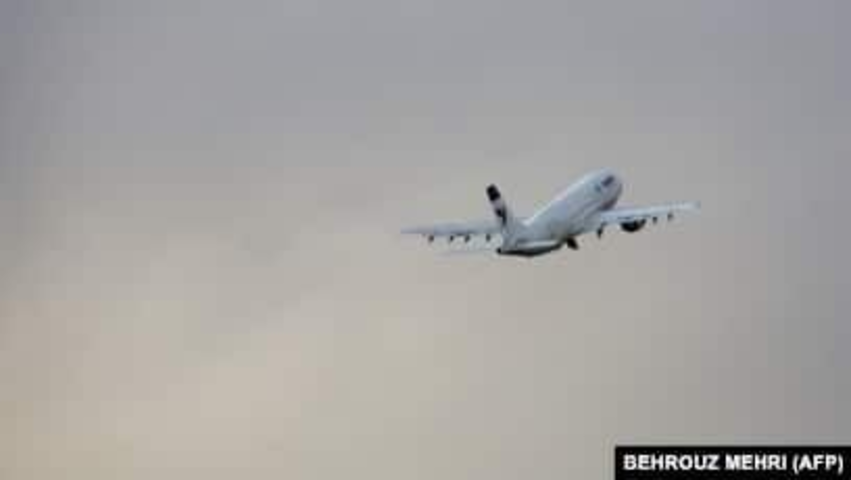
Turkmenistan Closes Its Airspace to Iranian Flight: Tehran–Dushanbe Plane Forced to Turn Back On September 24, an Iranian passenger plane operating a Tehran–Dushanbe flight was forced to return to Iran after Turkmenistan denied it permission to transit its airspace, according to Radio Azatlyk, citing Iranian sources. Majid Akhavan, a spokesperson for Iran’s Civil Aviation Organization, told the ISNA news agency that Turkmenistan had not permitted the Iranian airline to use its airspace. Varesh Airlines flight VRH6805 departed Tehran but returned to Imam Khomeini International Airport approximately one hour and eight minutes later. Data from Flightradar24 also confirms the aircraft’s return. The same flight had previously operated between Tehran and Dushanbe on September 20 and 22. A video later circulated on social media in which the pilot reportedly explained that permission to transit the airspace of Turkmenistan and Azerbaijan had not been granted, making it impossible to continue the flight to Tajikistan. Later that same day, the aircraft eventually departed for Dushanbe using an alternative route, bypassing Turkmenistan and flying through Kazakhstan and Uzbekistan. As a result, the flight time increased from approximately two hours and 15 minutes to around three hours and 30 minutes. At the time of publication, the Turkmen authorities had not publicly explained the reasons for denying the aircraft permission to transit the country’s airspace. The incident has attracted additional attention amid tighter U.S. sanctions targeting Iran’s aviation sector. According to the report, on September 8, the U.S. Department of the Treasury placed 27 Iranian airlines, including Varesh Airlines, on its sanctions list and warned that foreign companies and individuals providing certain forms of support to sanctioned Iranian airlines could also face restrictive measures. This raises an important question: Was Turkmenistan’s decision directly related to sanctions risks, or were there other reasons behind it? Without an official explanation from Ashgabat, no definitive conclusion can yet be drawn. At the same time, the incident highlights a broader issue of transparency in government decision-making. Restrictions affecting international air travel and passengers should be accompanied by timely and transparent explanations. The absence of official information leaves room for speculation and prevents the public from understanding the grounds on which such decisions are made. Source: Radio Azatlyk / Radio Free Europe/Radio Liberty, September 24, 2026.
As a foundation, every individual's fundamental
protect and develop their rights
we are working for.