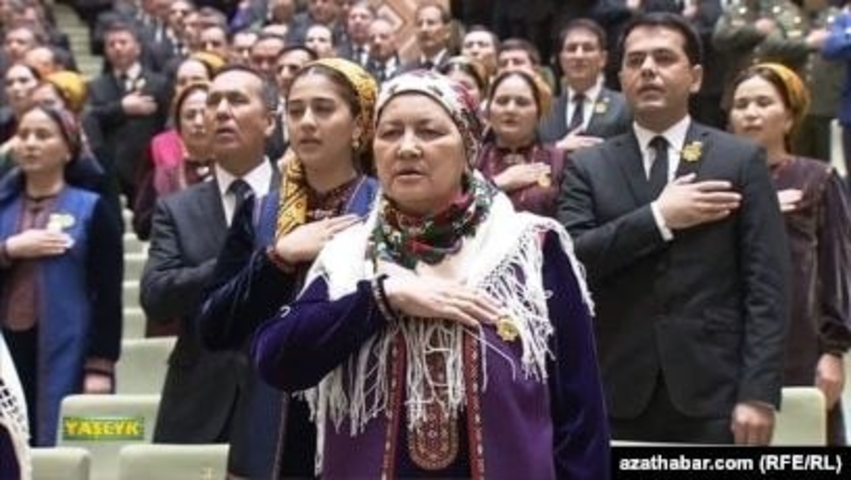
The Halk Maslahaty Without the Voice of the People: When Citizens’ Fate Is Decided Without Citizens Turkmenistan is approaching another session of the Halk Maslahaty. Yet instead of an open public discussion of future decisions, the country is being gripped by anxiety. According to Radio Azatlyk, concerns are spreading among the population about a possible increase in the retirement age, a freeze on pensions for former public-sector employees, and other socially unpopular measures. The very emergence of such concerns is already a troubling indicator of the state of governance in the country. In a country with genuinely functioning representative institutions, proposed decisions affecting pensions, salaries, social benefits, and the living standards of millions of people should be subject to open public debate. Citizens should know what is being proposed, who is proposing it, why it is considered necessary, what consequences are expected, and how they can express their agreement or disagreement. In Turkmenistan, instead, there are rumors. And this is a predictable consequence of a system in which society is effectively excluded from decision-making. If the Halk Maslahaty Represents the People, Where Are the People? The name “Halk Maslahaty” itself refers to the concept of a People’s Council. But this raises a simple question: Where are the people in this process? Where are the independent public hearings? Where is the opportunity for citizens to freely criticize proposed decisions? Where are the representatives of pensioners, workers, teachers, doctors, persons with disabilities, and low-income families? Where are the independent trade unions? Where are the free media capable of asking difficult questions? Where is the possibility of saying “We are against this” without fearing the consequences? If citizens learn about possible changes affecting their own lives through rumors circulating in markets, workplaces, and family gatherings, this alone points to a profound crisis of public trust. A Pension Is Not a Gift from the State Reports about a possible increase in the retirement age and other measures that could worsen the situation of pensioners are particularly concerning. One fundamental point must be emphasized: A pension is not an act of generosity by the authorities, nor is it a gift from an official to a citizen. It is part of a person’s social protection after decades of work and participation in the country’s economic life. People have the right to expect dignity and security in old age. Making decisions in this area without transparent economic calculations and genuine public consultation means treating citizens as objects of administration rather than as holders of rights. At the same time, the population is already facing rising food prices and other economic difficulties regularly reported by independent sources. Under such circumstances, any measures that weaken social protection could hit the most vulnerable groups particularly hard. Last Year’s Increase — and the Real Price of “Generosity” The previous increase in pensions, benefits, and salaries by 10 percent also deserves particular attention. At first glance, such a measure can be presented as evidence of the state’s social concern. But another question must be asked: What happens to people’s real incomes when prices rise? If the state increases a salary or pension by a certain percentage while the prices of food, services, and other necessities rise by the same amount or even more, people do not become better off. Impressive percentages in official announcements do not necessarily mean an improvement in living standards. Social policy must be assessed not by ceremonial declarations, but by how much food, medicine, clothing, and essential services people can actually afford with their income. Even More Concerning Are Reports of Possible Political Reshuffles Azatlyk also cites the opinion of an anonymous political analyst regarding possible political changes that could be discussed under the banner of “democratization,” including a potential transfer of some presidential powers to the Mejlis. There is also speculation concerning the possible future political role of Oguljahan Atabayeva, the daughter of Gurbanguly Berdimuhamedov. For now, these are precisely that — speculation and assessments by sources, not confirmed decisions — and they should be treated accordingly. However, the very emergence of such scenarios raises a much more fundamental question: Can the redistribution of powers within the same political system be called democratization if citizens still have no genuine opportunity to choose between political alternatives? Democracy is not about changing the names of positions. It is not simply about transferring powers from one state institution to another. And it is not about introducing another representative of the same political elite. Democracy begins when citizens are able to choose, criticize, organize, demand accountability from those in power, and change their government peacefully through genuine political processes. Why the Authorities Must Listen to Society Now More Than Ever Azatlyk’s publication contains another extremely important point: the deterioration of economic and social conditions may gradually erode the population’s long-standing political passivity. This is understandable. A person may avoid politics for a long time. They may remain silent when freedom of expression is restricted. They may believe that government policy does not concern them personally. But politics inevitably enters their home when it begins to determine the price of bread, their salary, pension, social benefits, employment, access to healthcare, and the future of their children. This is precisely why socioeconomic rights cannot be separated from civil and political rights. When citizens are denied the ability to speak freely, organize, receive independent information, and influence government decisions, sooner or later they may discover that they have almost no means left to defend even their economic interests. A “People’s Council” Must Truly Belong to the People The Human Rights Platform of the Dayanç / Turkmenistan Civil Movement considers it essential that any decisions capable of significantly affecting the population’s social and economic situation be made with maximum transparency. The Turkmen authorities should publicly clarify which socioeconomic changes are actually being considered at the upcoming session of the Halk Maslahaty, thereby putting an end to the spread of alarming rumors. But clarification alone is not enough. Conditions must be created for genuine public participation in discussions about decisions that directly determine people’s lives. The Halk Maslahaty should not become a platform where prearranged proposals are unanimously approved by people selected by the system itself. If this is truly a People’s Council, citizens must have the right not only to applaud. They must have the right to ask questions. The right to doubt. The right to criticize. The right to propose alternatives. And, ultimately, the right to tell the authorities: “No. We do not agree with this decision.” Without fear of losing their jobs, access to education, their freedom, or the safety of their families. Because the state does not exist so that the people can serve those in power. Those in power exist to serve the people. Source: Radio Azatlyk, “Halk maslahatynda ediler öýdülýän teklipler ilatda uly alada döredýär” https://www.azathabar.com/a/halk-maslahatynda-ediler-oydulyan-teklipler-ilatda-uly-alada-doredyar/33821584.html
As a foundation, every individual's fundamental
protect and develop their rights
we are working for.