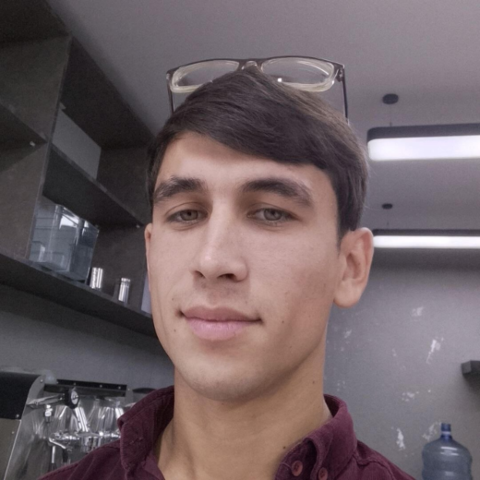
Orphans Without Homes: How Laws in Turkmenistan Exist Only on Paper A deeply troubling issue is once again drawing attention in Turkmenistan — the fate of orphans who grow up in state orphanages only to be abandoned by the system once they reach adulthood. The story of Raul Khojaniyazov is not an isolated case. It reflects a systemic problem that has been destroying the lives of vulnerable young people for years. Raul is an orphan. Together with his two brothers, he grew up in an orphanage. One of his brothers lives with a disability. Under Turkmenistan’s legislation, orphans and children left without parental care are entitled to priority access to state-provided housing. However, in reality, these guarantees often remain nothing more than words on paper. After turning eighteen, Raul repeatedly appealed to the local administration, requesting the apartment he was legally entitled to receive. Officials promised to help him. Shortly afterward, he was drafted into military service. After serving his country for two years, he returned home only to find himself completely without shelter. The promises made by the authorities never turned into actual housing. Today, Raul works at a car wash simply to survive. He cannot afford to rent an apartment. His brothers live with relatives, where more than ten people are crowded into a small apartment. This story is not only about poverty. It is also about potential violations of fundamental human rights. In the case of Raul Khojaniyazov and his brothers, there are serious concerns regarding violations of: the right to an adequate standard of living, including the right to housing; the right to social protection; the right of orphans to state care and protection; the rights of persons with disabilities to special state support; the principle of equality and non-discrimination. These rights are guaranteed not only by Turkmenistan’s domestic legislation, but also by international treaties to which the country is a party, including: the Universal Declaration of Human Rights; the International Covenant on Economic, Social and Cultural Rights; the Convention on the Rights of the Child; the Convention on the Rights of Persons with Disabilities. Particularly alarming are reports from sources within the social sector stating that once orphanage residents turn eighteen, they are effectively “taken to their regions and left in front of local administrations,” after which they are expected to survive on their own. Many orphans spend years waiting for housing and are unable to secure stable employment. Without residence registration, which is required almost everywhere in Turkmenistan, official employment becomes nearly impossible. Due to corruption and poor conditions within orphanages, many young people receive inadequate education and are pushed to the margins of society. The situation of orphaned girls is especially tragic. Lacking support and opportunities, some are forced into exploitative relationships, early marriages, or other desperate measures simply to survive. Against this backdrop, Raul’s reaction during a live broadcast became particularly revealing. He was advised to seek assistance from the Gurbanguly Berdimuhamedov Charitable Foundation. Raul openly responded that he had no hope that the foundation would help him. His words reflected a growing public distrust toward state-linked charitable initiatives in Turkmenistan. Increasingly, citizens view such foundations as instruments of public relations and political image-building rather than genuine mechanisms for helping vulnerable people. While official television broadcasts images of generosity and prosperity, many citizens struggling with poverty and social injustice feel abandoned and forgotten. At the same time, elite residential complexes and new apartment buildings continue to be constructed across the country, including in Arkadag and Dashoguz. Yet many of these apartments reportedly remain empty. Corruption and bureaucracy frequently prevent housing from reaching those who genuinely need it. Free apartments are often inaccessible to ordinary citizens without personal connections or the ability to pay bribes. The story of Raul Khojaniyazov is not merely a housing issue. It is a question of human dignity, state responsibility, and the future of the country. When orphans whom the state is legally obligated to protect are left homeless, unsupported, and without hope, this is no longer simply a social problem. It is evidence of a deep systemic crisis and a serious human rights concern. And while the authorities remain silent, young people continue waiting — waiting for housing, waiting for justice, and waiting for a state that was supposed to protect them from childhood. Source: Turkmen.news https://turkmen.news/2026/05/14/siroty-v-turkmenistane-ne-mogut-poluchit-polozhennoe-po-zakonu-zhilyo/ Photo: Turkmen.news
As a foundation, every individual's fundamental
protect and develop their rights
we are working for.