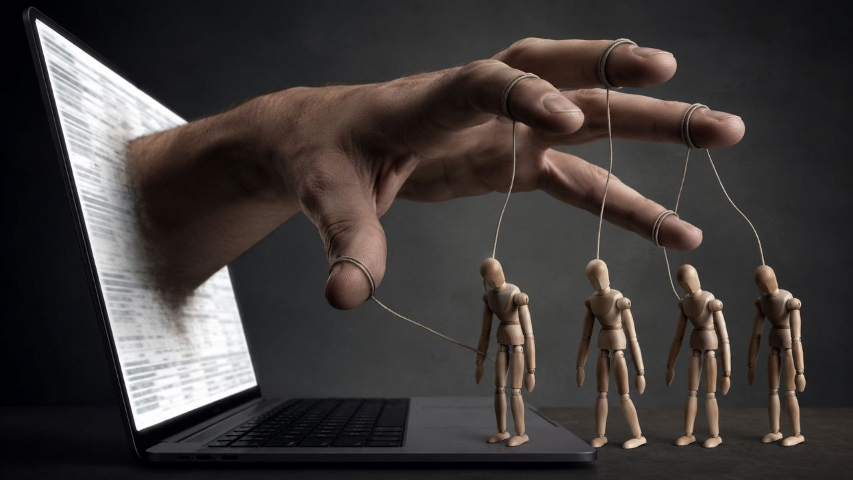
Digital Repression Turkmen-Style: Cyberbullying, Sexism, and Humiliation as Weapons Against Dissent When Criticism of the Authorities Becomes a “Crime” Pressure on independent journalists, human rights defenders, bloggers, and civic activists is increasing across Central Asia. This was stated in a joint declaration by international human rights organizations published by Azattyq Asia. Source: Azattyq Asia — “Website Blocking and Attacks on Critics’ Accounts: How Digital Repression Is Expanding in Central Asia” https://www.azattyqasia.org/a/kak-razvorachivayutsya-tsifrovye-repressii-v-tsentralnoy-azii/33755218.html However, while in some countries of the region the issue mainly concerns blocked websites or legal persecution, in Turkmenistan digital repression has long turned into an entire system of psychological pressure against individuals. The pressure goes far beyond censorship. It becomes personal, humiliating, and aggressive. --- Turkmenistan: A Country Where Harassment Has Become a System of Pressure In Turkmenistan, freedom of expression is almost entirely absent. Independent websites remain blocked for years, VPN services are constantly restricted, and any critical opinion can lead to threats, persecution, or pressure against relatives. One of the most alarming developments is the organized cyberbullying directed at activists and human rights defenders. Accounts controlled by the authorities, anonymous pages, fake profiles, and so-called “internet patriots” systematically engage in: mass insults; sexist attacks; humiliation of women activists; spreading lies and provocations; publication of personal information; harassment of families and children; defamation; the use of degrading and obscene language. Women are especially frequent targets of such attacks. --- Sexism as a Tool of Suppression Women who openly speak about human rights violations, corruption, violence, or injustice in the Turkmen segment of the internet are often subjected not merely to criticism, but to attempts at moral destruction. The methods used include: humiliating comments; insults based on gender; attempts to discredit women as mothers; degrading insinuations; spreading rumors; public mockery and harassment. These methods are not accidental. Their purpose is to silence people through fear, humiliation, and psychological pressure. When facts cannot be disproved, attacks are redirected toward the individual. --- Cyberbullying Has Become Part of the System of Fear Many activists and journalists regularly face: hacking of accounts; coordinated complaints aimed at blocking pages; threats through messaging applications; telephone harassment; fake videos; publication of personal information; organized harassment campaigns in comment sections. Particularly alarming is the fact that such language and methods are sometimes also used by certain individuals who call themselves human rights defenders or public activists. This destroys the very essence of human rights work. Human rights advocacy cannot be built on humiliation, hatred, harassment, and public insults. It is impossible to fight dictatorship by copying its methods. --- Humiliation Has Become “Normal” The most dangerous aspect is the gradual normalization of aggression. For many users, it has become routine to see: public humiliation; profanity and insults; sexist statements; calls for harassment; mockery of victims of repression; abuse directed at the families of activists. The digital space is turning into an instrument of psychological pressure. Where repression once took place behind closed doors within security structures, it is now carried out openly — in comments, livestreams, TikTok, YouTube, Telegram, and Facebook. --- Behind Every Insult Lies an Atmosphere of Impunity When authorities suppress freedom of expression for years, society gradually becomes accustomed to hatred and fear. Impunity gives rise to new forms of pressure. People begin to consider it acceptable to: humiliate; persecute; harass; publish personal data; turn the internet into a space of psychological terror. That is why the issue of digital repression is not merely an internet problem. It is a matter of human dignity, personal safety, and the right to speak the truth without fear. --- The International Community Must Not Remain Silent Human rights organizations in Central Asia are calling on the international community to pay attention to the growing digital repression, online censorship, and cyberattacks in the region. In the case of Turkmenistan, however, this is no longer only about censorship. It is about a systemic atmosphere of fear, humiliation, and psychological pressure in which any person who dares to speak openly may become the target of organized harassment. Freedom of expression is not only the right to speak. It is also the right not to be humiliated or persecuted for speaking.
As a foundation, every individual's fundamental
protect and develop their rights
we are working for.